🚨 Help Fund a Documentary about Ralph DeQuebec’s Unstoppable Spirit! 🎥🔥
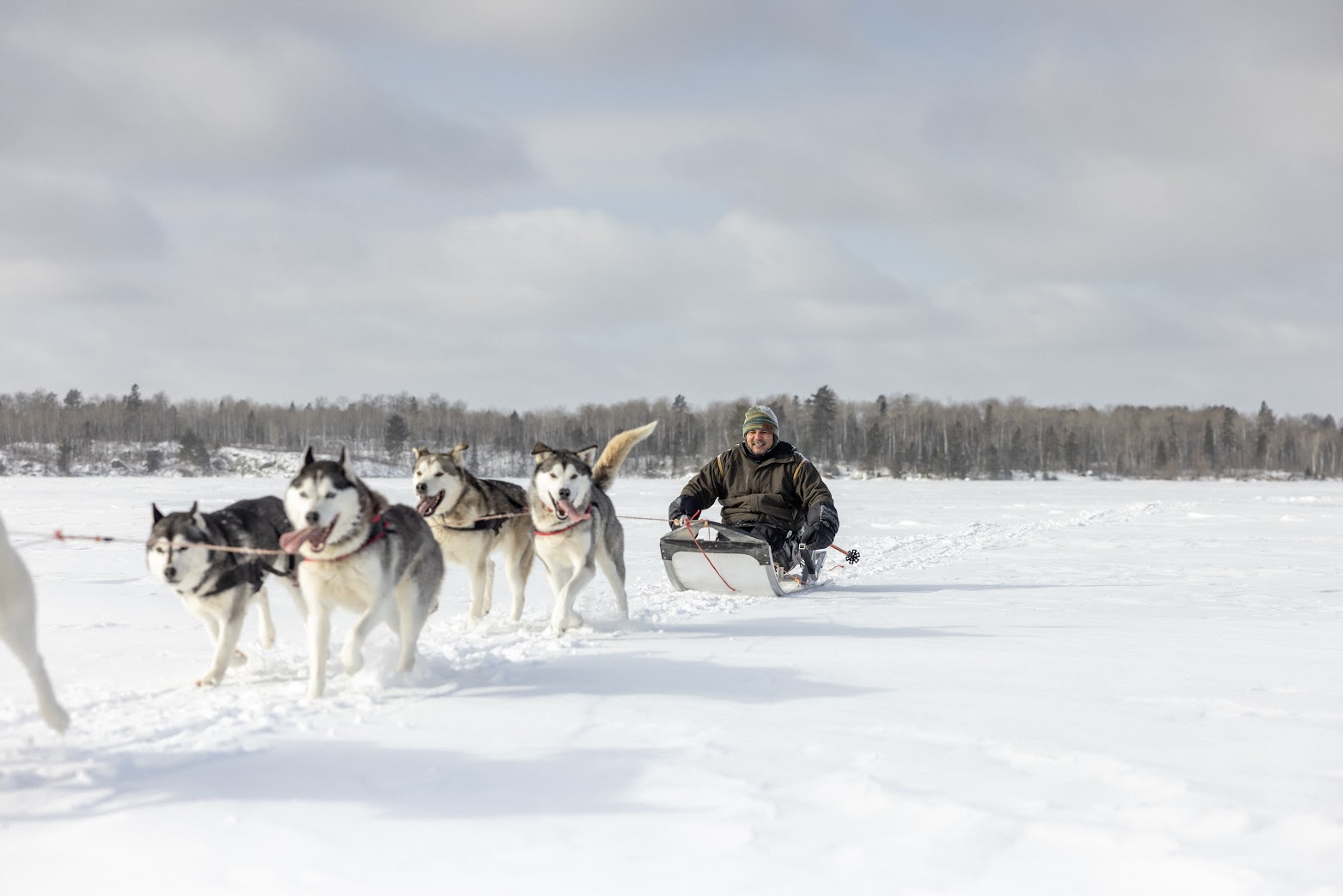
I’m thrilled to be working with Cast Outdoor Adventures Inc. and Rarefolks Film Company as they launch a powerful fundraiser for “Trial of Trust,” a documentary that celebrates the resilience, courage, and sheer determination of Ralph DeQuebec—a man who refused to let tragedy define him.
Ralph, a United States Marine Corps aviation ordnance technician and explosive ordnance disposal technician, lost both of his legs above the knee in a devastating 2012 explosion while serving his country. But instead of letting that moment break him, he turned it into a testament of strength, perseverance, and unshakable trust in himself and those around him.
This film isn’t just about one man’s journey—it’s about the power of the human spirit, the bonds of brotherhood, and what it truly means to rebuild and push beyond limits. It was these words spoken, “The sum is greater than its parts” that inspired Ralph to take on dog sledding. It’s a story that deserves to be told, but we need your help to make it happen.
Why support this film? 💪 It’s a story of resilience: Ralph’s journey will inspire anyone facing obstacles. 🎥 It’s a film that matters: “Trial of Trust” will give voice to veterans and individuals overcoming adversity. 🙏 Your support makes a difference: Every contribution helps bring this extraordinary story to life.
Go to the Go Fund me page to read more, donate and share:
I recently attended an AI workshop hosted by the Initiative Foundation at St. John’s University. It was fascinating to learn about the incredible potential uses of AI.
Here are a few key takeaways and uses for Chat GPT in business or your personal life:
🔹 Be nice to Chat GPT! The kinder you are, the better the responses will be.
🔹 It’s always certain but not always right. Always double check AI’s responses, it can (and will) give you incorrect answers.
🔹For small businesses and nonprofits, AI can help level the playing field. These tools allow you to compete with bigger players.
For fun: Use Chat GPT to help you plan a trip itinerary for your next vacation!
Let AI handle the busywork so you can focus on growing your business! 🌱💼
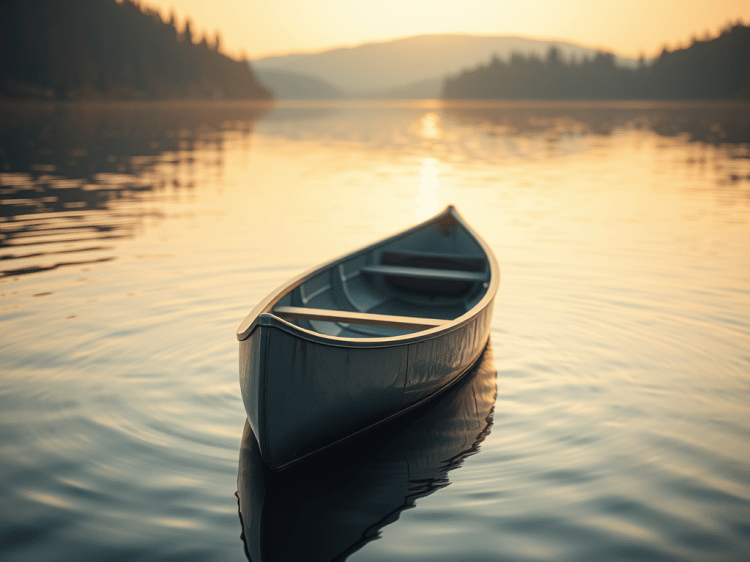
A heartfelt thank you to Save the Boundary Waters for their generous grant funding! Your support will help Cast Outdoor Adventures Inc. take 32 differently abled youth and veterans on an unforgettable adaptive canoe trip this summer. My clients and I are incredibly grateful for your commitment to inclusion and adventure! 🌊🚣♂
One of the most common questions I get asked is, “What are your top grant writing tips?”
The answer is simple: Be patient.
Why Choosing the Right Grant Matters
While it might be tempting to apply for every grant that comes your way, it’s crucial to focus on opportunities that align with your organization’s mission and needs. If you feel like you’re forcing a solution that doesn’t quite fit, it’s probably not the right grant for you.
Take your time to carefully evaluate each opportunity. Applying for grants that are a good fit not only saves you time but also improves your chances of success. So, slow down, be strategic, and ensure that your efforts are directed toward grants that truly support your goals.
Need Help with Grant Writing?
If you’re looking for professional grant writing assistance, contact us at Highline. Our team specializes in helping organizations identify the best grant opportunities and craft compelling, effective grant applications. Let us help you secure the funding your organization deserves!
By following this strategy, you’ll be able to streamline your grant writing efforts and set your organization up for success.
We’re here to help you find the right grants and craft strong, compelling applications.
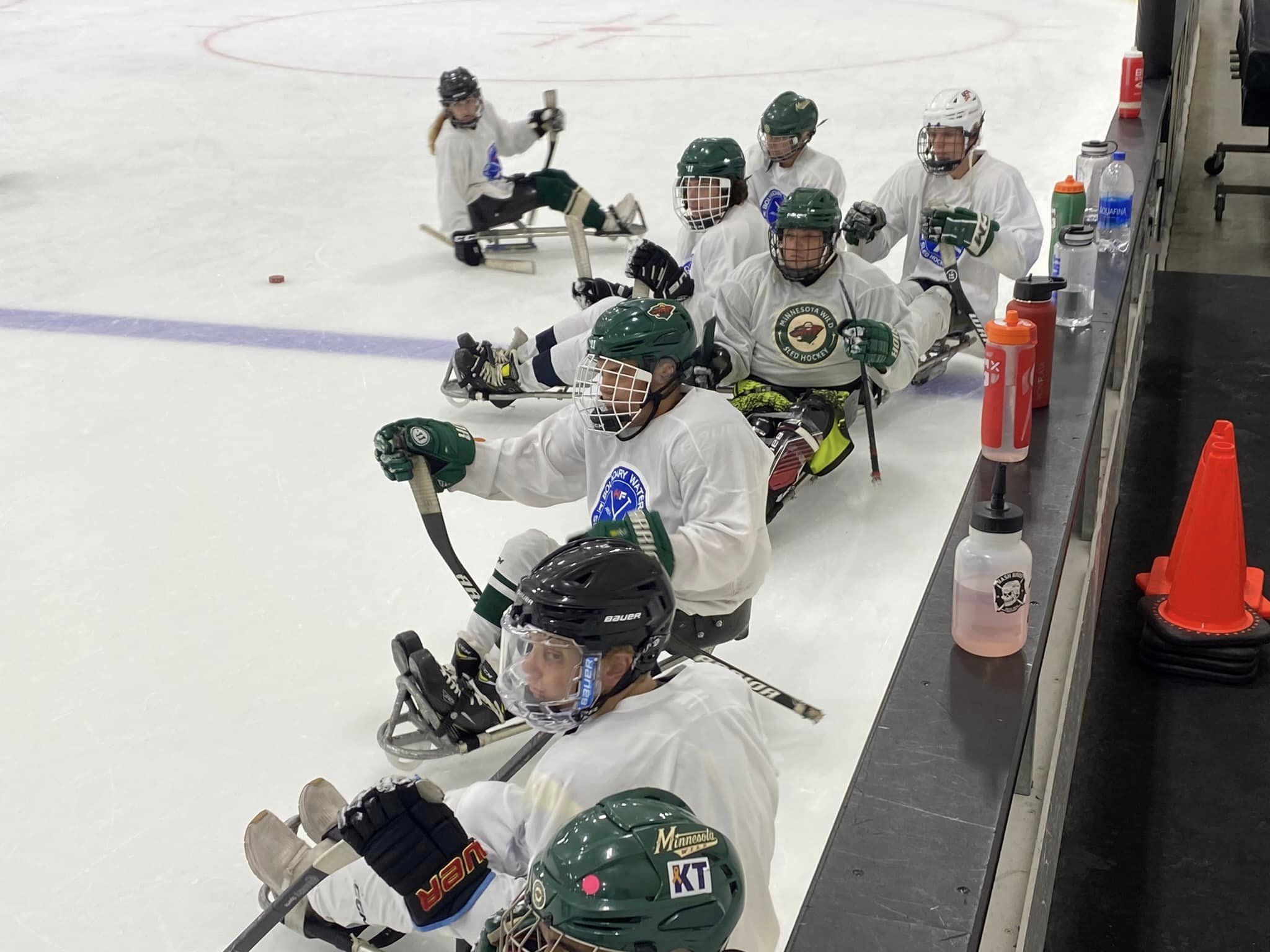
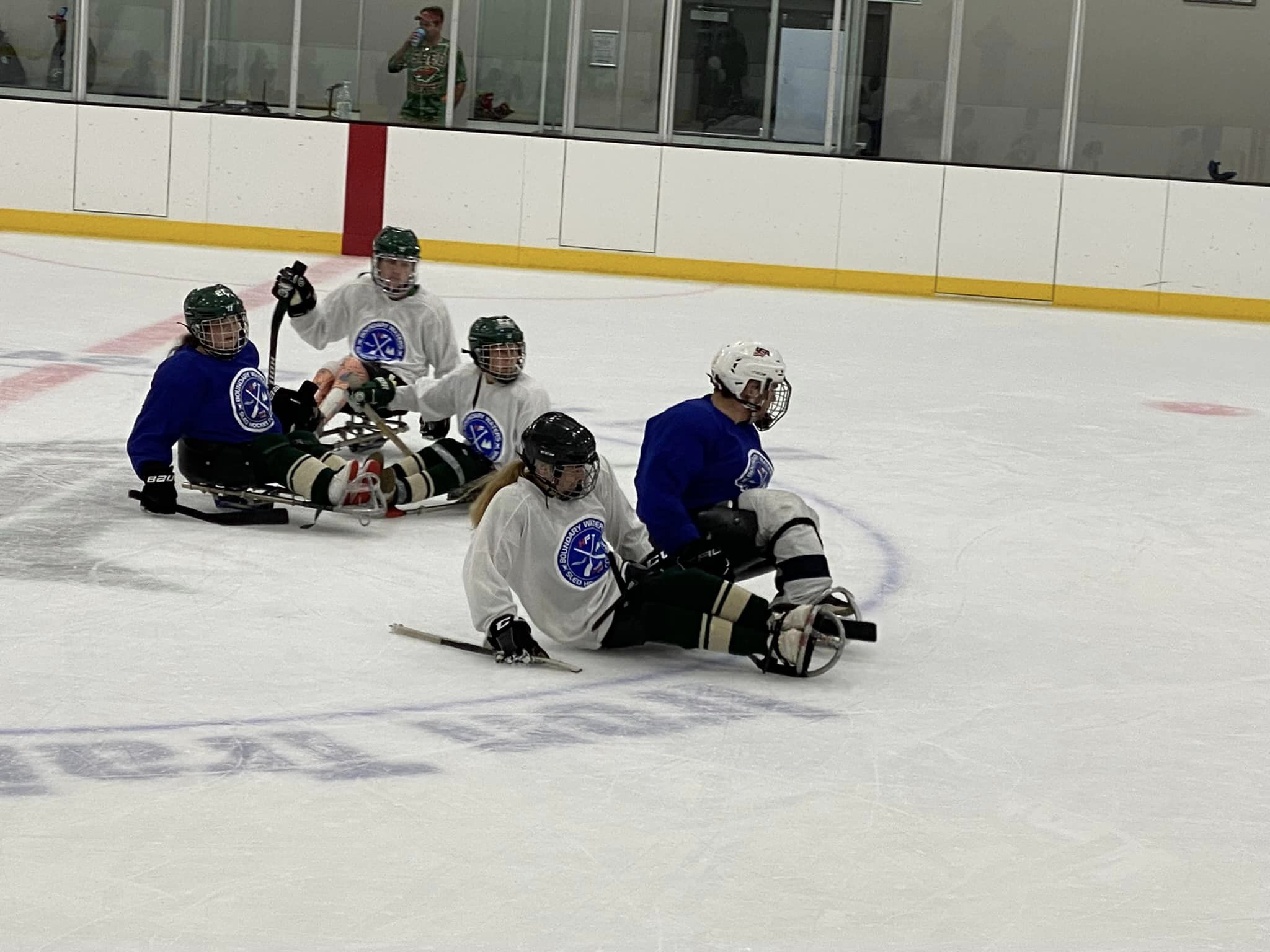
This past summer, I had the privilege of attending the annual MN Boundary Waters Sled Hockey Combine, a week-long camp designed for athletes with differing abilities, ages 8-22. The camp offers a variety of activities, including on-ice skill development, inspiring keynote speakers, guidance on nutrition and exercise, a fishing tournament, a canoe trip through the Boundary Waters Canoe Area (BWCA), and nightly bonfires for athletes and their families to enjoy.
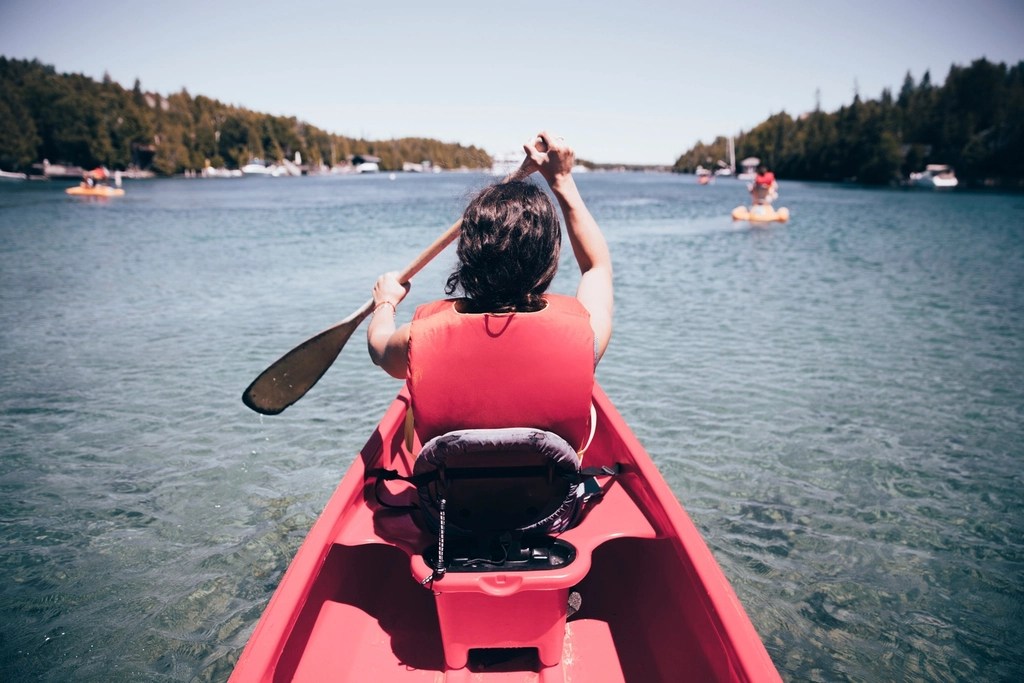
Cast Outdoor Adventures Inc., one of my clients, leads the campers on an incredible 14-mile canoe journey, complete with a 3/4-mile portage into the BWCA, with minimal assistance.
The day before the trip, Cast Outdoor Adventures conducts safety and leadership training. The campers, a bit nervous, take turns practicing emergency procedures. To make sure everyone knows who to turn to for help, all the older campers are given large, white-brimmed sun hats, making them easily identifiable to others in their canoe.
The next morning, I arrived at 7:30 a.m. to a bustling dining hall full of young hockey players. Heaps of fruit, eggs, and sausage filled the serving table, while laughter and the sound of clinking dishes filled the air.
Outside, near the beach, a small group of campers had gathered. What instantly struck me was how much they were just a bunch of kids enjoying each other’s company. Two campers pushed a third in a wheelchair up a small incline. Once at the top, they turned him around and gave him a gentle push, sending him down the hill to squeals of excitement with a bunch of kids in hot pursuit. The campers had various differences, whether physical or cognitive—some were in wheelchairs, others were single or double amputees. But at their core, they were all the same: fun-loving, young kids. They played, laughed, and goofed around until the area became crowded with the watchful eyes of well-meaning parents.
As the kids played, the parents fretted about the upcoming canoe trip: “What about the wheelchair? Where will they eat? How will I know they’re okay? Can I go with you?”
With patience and care, families and campers received their final safety briefing, along with a strong dose of encouragement from their leaders. The canoeing trip would need teamwork, trust, and leadership. Help would always be available, but the adults would only step in if the campers requested assistance. This journey would be challenging, but they had already faced far harder ones.
“Being disabled should not mean being disqualified from having access to every aspect of life.”
Emma Thompson
The next step was to load all eight canoes, which had been borrowed from a local outfitter. Each canoe was to hold four campers, and everyone was given a paddle, expected to contribute. Slowly, the campers made their way down the steep slope of grass and sand toward the water. Their only concern came when they had to leave their wheelchairs on the beach. They double- and triple-checked their backpacks, ensuring they had everything they needed before pushing off, pointing northeast, and starting their journey. Spirits were high as they paddled gracefully through the water toward their destination.
Four pontoons followed the canoes for support and supervision. I had the privilege of riding on a pontoon filled with about a dozen wheelchairs. Our job was to follow the first canoe to the portage stop, unload the wheelchairs one at a time, and then wait offshore until we were needed again. The athletes took turns beaching their canoes, helping each other up to the hiking path lined with beautiful pine trees. They trekked along the worn dirt path to the next lake, then turned around to return to their canoes for the final leg of the trip—a bag lunch and a 7-mile paddle back to camp, against the wind.
I watched from the shore as the canoes began to return to camp. Our pontoon was the first to arrive, as we needed the wheelchairs ready for the campers’ return. One by one, the canoes beached, and the campers collected their wheelchairs and personal items before heading back to their cabins.
One of the most memorable moments of the day was when a professional athlete joined the campers. As a part of the hockey combine, everyone was excited to have an NHL player join the canoe adventure and speak after supper that evening. This 28-year-old, humble and kind, with a bright smile, had just signed a four-year, $40 million deal. When his canoe returned to camp, everyone was eager to hear how the trip went. It had been a beautiful day, with popcorn clouds in the sky and a brisk northeast headwind, making the return trip a challenge for all the canoes. Without missing a beat, the athlete said, “Wow, that was quite a workout!” The differently abled athletes, nonetheless, remained silent.
Watching the canoe trip unfold that day put a lot of things into perspective for me.
It made me realize:
How easy my life is How many people struggle to do the things I take for granted How often I complain about things I shouldn’t
It was truly inspiring to witness my client’s work.
Whether you’re a nonprofit organization, a school, a researcher, an entrepreneur, or an individual with a passion project, grants can be a valuable resource for bringing your ideas to life and making a difference in the world.
There are several compelling reasons to apply for grants:
Financial Support: Grants provide funding that can help organizations and individuals pursue projects, research, programs, or initiatives that they might not otherwise be able to afford. This financial support can cover various expenses, including personnel salaries, equipment purchases, program implementation costs, research materials, and more.
Validation and Recognition: Receiving a grant can serve as validation of the importance and potential impact of your project or work. It signifies that a reputable funding organization believes in your idea and is willing to invest resources in its success. This recognition can enhance your credibility within your field or community.
Opportunities for Innovation and Growth: Grants can enable organizations and individuals to innovate, experiment, and explore new ideas or approaches. They provide the financial flexibility to take risks, pursue ambitious goals, and implement creative solutions to complex problems. This can lead to growth, advancement, and the development of novel solutions or insights.
Networking and Collaboration: Applying for grants often involves engaging with funding organizations, reviewers, and other stakeholders. This process can facilitate networking opportunities and foster collaborations with other individuals or organizations working in similar areas. Collaborative partnerships can enhance the impact and sustainability of projects by leveraging collective expertise, resources, and networks.
Impact and Social Change: Many grants focus on supporting projects or initiatives that address pressing social, environmental, or community needs. By applying for and receiving grants, organizations and individuals can contribute to positive social change, advance important causes, and make a difference in the lives of individuals and communities. Grants provide the resources needed to implement solutions, drive progress, and achieve meaningful impact.
If you’d like help applying for a grant, reach out to us at highlinevirtual@gmail.com
One of the reasons I love working with small business and nonprofit owners is that they are outstanding at persevering through problems that might seem impossible to others.
Take a recent project that I had the pleasure of working on for a client:
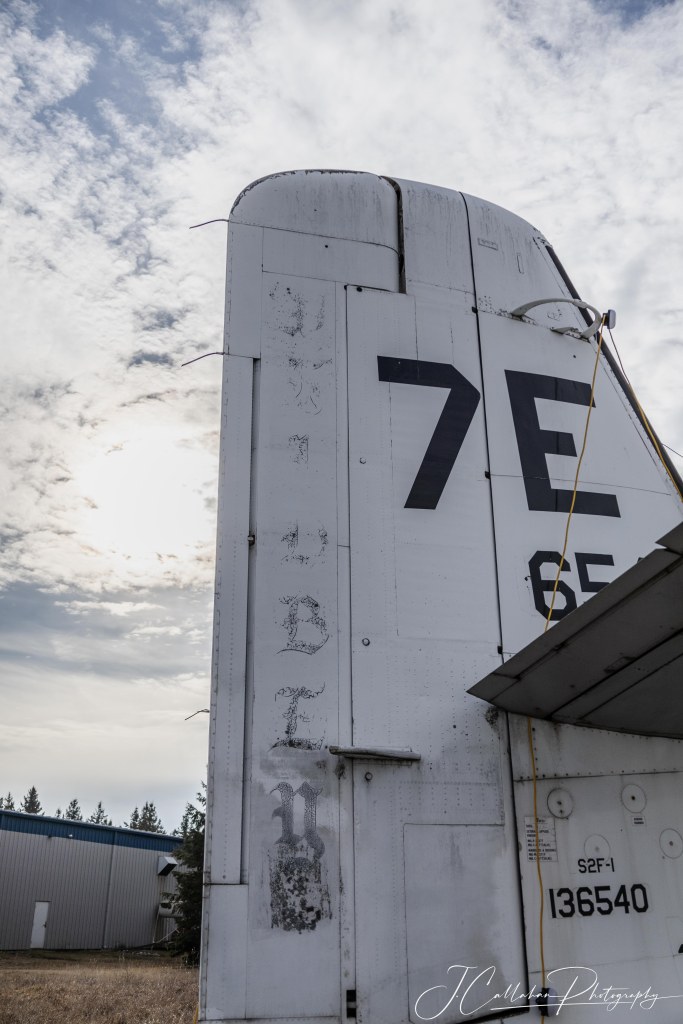
Moving the S2F Tracker
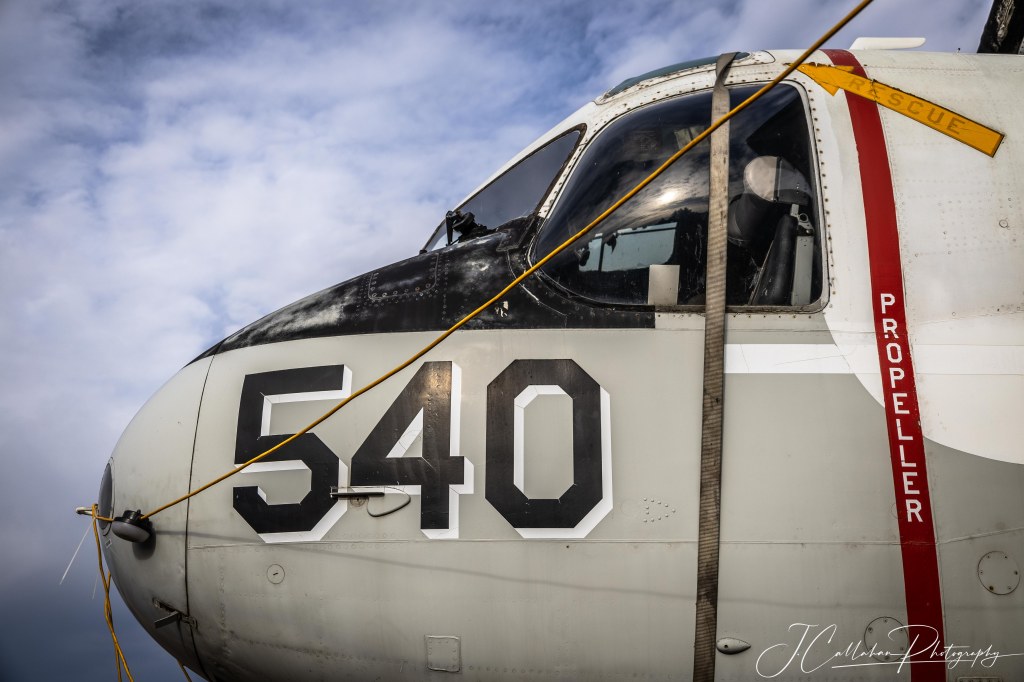
From 1954-1976, the United States faced a threat from Soviet submarines that regularly patrolled the world’s vast oceans. The Cold War raged on as the two superpowers jockeyed to position themselves as the world leader. To mitigate the threat, Grumman developed an S2F Tracker (S-Two-F or STOOF) which was fitted with the latest sub-detection equipment. It became the premier submarine hunter and revolutionized anti-submarine warfare. This particular plane made 744,000 carrier landings in its 27 years of service in the Navy.
Fast forward to today and the plane sat outside: in the elements, in disrepair, in danger of being sent to the scrap yard to be taken apart, and forever lost to future generations. The museum it belonged to had fallen into hard times and was slowly closing its doors. Thankfully, they had agreed to donate it to my client’s nonprofit. That sent us into motion, working diligently to raise enough funds to move the plane and save it from the scrap heap.
It didn’t take long before donations started coming in from around the state. The generosity of so many was beyond heartwarming.
Photos by J Callahan Photography
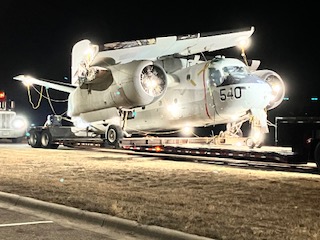
The next step to overcome was the many logistics of moving this large of an aircraft. The plane could not be flown instead, it had to be towed at a painstakingly slow pace of 20 mph for 40 miles under the cover of darkness when fewer motorists were on the road. Lights had to be strung on the plane to illuminate it from a distance, not that it could be missed as it covered both sides of the road even with its enormous wings folded. Due to its height and length, the route had to avoid going under bridges and all roundabouts. The slow trip home took the aircraft approximately 4 hours. The STOOF arrived at its new home at approximately 3:30 am.
In early February 2024, I arrived at the hangar to see the STOOF parked outside. Since then, I have had the pleasure of meeting many veterans who have come to share their stories, pictures, and a few tears too as memories of their time in the service come flooding back.
“It always seems impossible until it is done.” -Nelson Mandela
To all small business owners and nonprofits,
Keep DREAMING, Keep STRETCHING, Keep BELIEVING IN YOURSELF
Highline is here to help you achieve whatever goal it is that you’ve set out to accomplish. Most importantly, keep pursuing those dreams – The world needs more of you!
Mock Interviews for Juniors at Princeton High School
I had the pleasure of participating in the annual Mock Interviews at the Princeton High School. I was so impressed by the students’ poise, confidence, hard work, and dedication to their dreams. Excellent work Princeton teachers and parents! You should be so proud of your students – they are on their way to do great things!














 Highline Virtual LLC